Homes may be unsafe to enter after a fire. Find out about how to safely access and clean up your home, and what to wear when you enter your home.
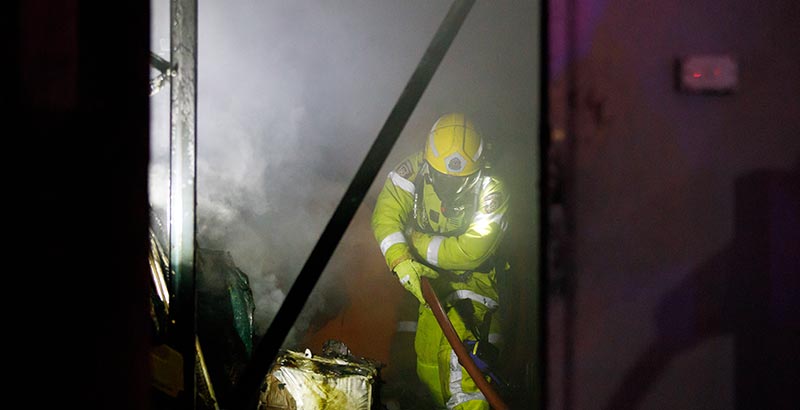
After a fire in your home, it may no longer be structurally sound and can be very dangerous to enter. Walls, roofs and ceilings can give way without warning and floors or stairs may not be as stable as they appear.
It is important to consider if a building inspector is required to declare the building safe to enter.
Your insurance company may contact a building inspector for you, depending on your level of insurance, or your local governments building inspector may be able to help.
If fire has damaged the inside of your house, some cleaning will probably be required.
Check with the Fire Officer, Fire Investigation Officer or Police Officer in charge as to when the clean-up process can start.
If a fire investigation or evaluation is underway, there may be some areas you’ll not be able to access to clean.
You should also check with your insurance company to see if your policy allows for commercial cleaners.
It is important to consider any hazardous materials that may have been exposed to or damaged by fire or water. Before you do any cleaning up of your property, contact your local governments to get advice on the removal or cleaning up of:
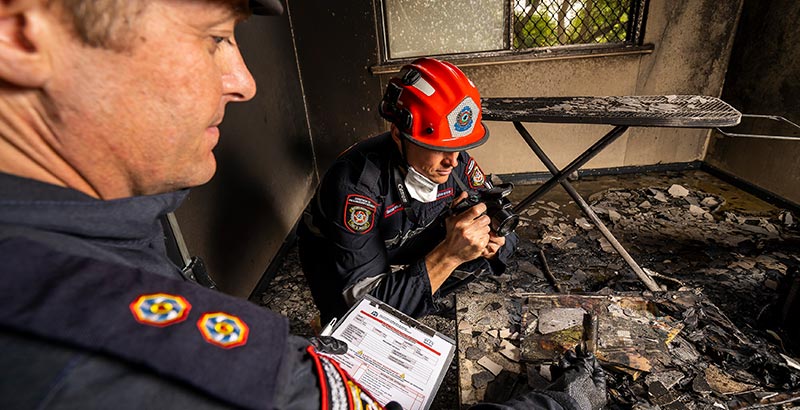
When you enter your home after a fire, wear a face mask, long sleeves and boots.
Taking these steps can help to avoid injury and infections like tetanus from glass shards, corrugated iron and rubble.

Fire can destroy homes in a matter of minutes. Find out what you can do if your home is badly damaged, made non-liveable, or destroyed by fire.
If your home has been destroyed by fire or is not safe to live in, support is available to help you with emergency accommodation, clothing, and food.
If you’re insured:
Contact your insurance company as soon as possible. Your insurance company may be to arrange emergency accommodation, food, clothing, cleaning, and reconnecting utilities. After-hours phone numbers are usually available online. Your insurance company will also advise you on securing your home and the claims process.
If you’re not insured:
Reach out to family or friends if you can, or contact the following services for immediate support:
Important:
You will need to get an incident number from the attending officer to access clothing and food support. Please ask the fire officer in charge to provide you with an incident number before they leave.
If parts of your home have not been destroyed and it is safe to enter, you may want to get the following items:
Remember to check with your insurance company before removing any items.
After a house fire, official investigations and insurance assessments help determine the cause and support your recovery. These steps ensure safety, confirm what happened and guide repairs or claims. The services below explain what to expect and who to contact.
Where the cause is unclear, suspicious or there has been serious harm, a formal investigation may occur. Investigators will collect information to determine the cause and advise on safety. If an investigation is underway, avoid disturbing the scene and follow the instructions provided by attending officers.
Contact your insurer as soon as possible. An assessor will estimate the damage and explain next steps for repairs or replacement. If you rent, also notify your landlord or agent. Contents insurers may help with temporary accommodation and replacing essential items.
Securing your property and restoring essential services is a priority after a fire. These actions prevent further damage and help you return home safely. The options below outline how to protect your home and reconnect utilities.
If doors, windows or fences are damaged, arrange temporary repairs to keep the property secure. SES can assist with emergency make‑safe measures (e.g., tarpaulins or temporary fixings). Keep receipts and photos for your insurer.
For safety, responders may have disconnected utilities. Your insurer (if you have one) can arrange qualified trades to inspect damage and reconnect services. If you’re not insured, contact each supplier directly and engage licensed trades to restore utilities safely.
Experiencing a house fire can be deeply distressing and disruptive. You may notice a range of feelings—such as shock, sadness, anger, anxiety, or confusion in the days and weeks that follow.
If you’re unsure where to start, there are people and services ready to help you whenever you need it.
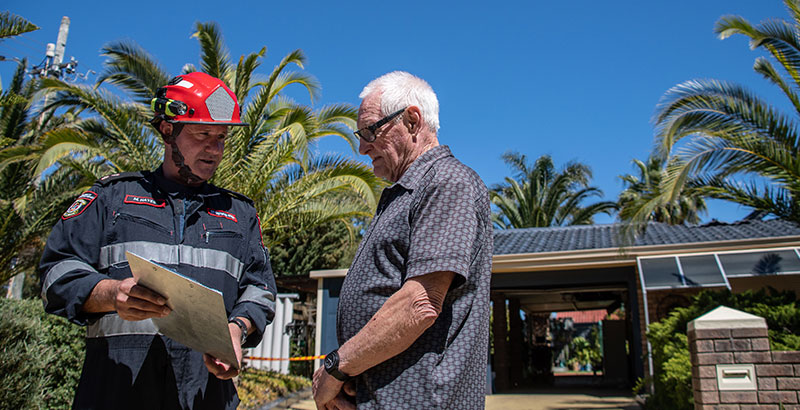
If you would like to talk to someone or need extra support, the following organisations can help with counselling, emotional support, and referrals:
Department of Communities Disaster Relief Hotline:
1800 032 965
For urgent help with accommodation, food, clothing, and other needs.
Lifeline: a national charity providing all Australians experiencing emotional distress with access to 24 hour crisis support and suicide prevention services. 13 11 14 (phone) or text 0477 13 11 14 (24/7 support)
13YARN: offer a confidential one-on-one yarning opportunity with a Lifeline-trained Aboriginal & Torres Strait Islander Crisis Supporter who can provide crisis support 24 hours a day, 7 days a week. 13 92 76 (support for Aboriginal and Torres Strait Islander people)
The Samaritans WA: Volunteer Counsellors provide emotional support to individuals, every day from 8:00am-8:00pm (AWST). 135 247
Salvation Army: provides a large array of spiritual and social services throughout Western Australia. 13 72 58 or 08 6210 3288 (Mon–Fri 8:30am–4:30pm)
For more information and practical advice about recovering after a house fire, you can read the publication.